
Categories
Buyer TipsPublished October 19, 2026
Offer Accepted on a House in Ohio: The 9 Steps Between "Yes!" and Getting the Keys

By Dylan Cassidy, Realtor with Howard Hanna Real Estate Services in Xenia, Ohio · Updated October 2026
Getting the call that your offer was accepted is one of the best parts of my job. There's usually some yelling (the good kind), and then about ten minutes later comes the question: "Okay… now what?" Fair question. An accepted offer is a huge step, but it's the start of the process, not the end. Here's what happens between that phone call and the day you get the keys.
The short answer: After your offer is accepted in Ohio, you'll deposit your earnest money, schedule inspections, send your lender any updated documents, negotiate repairs, lock your rate, and work through the appraisal and underwriting. The title company handles the title search and prepares for closing. You'll get your Closing Disclosure at least three business days before closing, do a final walk-through, then sign and get your keys. The exact deadlines for each step are written into your purchase contract.
Step 1: Deposit your earnest money
Earnest money is the good-faith deposit that shows the seller you're serious. Your contract spells out how much and when it's due, usually within a few days of acceptance. It's typically held by the brokerage or the title company and applied toward your purchase at closing. (I'm covering earnest money in a lot more detail on Wednesday, including when you can lose it.)
Step 2: Schedule your inspections
Around the Dayton area, the purchase contract breaks the inspection process into three timeframes, and the first is the inspection period: a set number of days to complete your inspections. That clock starts quickly, so this is the first thing I'll help you schedule. A general home inspection is the big one, and depending on the house you might add radon, a sewer line scope, termite, or a well and septic inspection for rural properties.
Step 3: Send your lender any updated documents
Right after inspections are on the calendar, get your lender whatever they need to keep your loan moving: recent pay stubs, bank statements, a copy of the signed contract and anything else underwriting asks for. Answer quickly. Slow paperwork is one of the most common reasons closings get pushed back.
Step 4: Negotiate repairs (if needed)
After the inspection, you'll decide what, if anything, to ask the seller to fix, credit or adjust. This isn't the time to nitpick every scuff mark. It's the time to focus on safety issues, big-ticket systems and anything that surprised you. This is where the other two timeframes in the contract come in:
- The consideration period is how long the seller has to consider your inspection request. They can agree, counter or decline.
- The settlement period is how long everyone has to work out the details and fully settle on the end result, whether that's repairs, a credit, a price adjustment or, if you can't agree, your options under the contract.
The exact number of days for each period is written into your contract, and I keep track of every one of them so nothing slips.
Step 5: Lock in your loan
Once the inspection is behind you and you know you're moving forward, talk to your lender about locking your interest rate if you haven't already. A rate lock protects you from rates going up before closing. Your lender can walk you through how long the lock lasts and what happens if closing gets delayed.
Step 6: The appraisal
Your lender orders an appraisal to make sure the home is worth at least what you're paying. If it comes in at or above the price, great. If it comes in low, we have options: renegotiate the price, cover the gap, split the difference or, depending on your contract, walk away. A low appraisal isn't the end of the world, but it does need a plan.
Step 7: Title work and underwriting
While the appraisal is happening, the title company is researching the property's history to make sure the seller can legally transfer it and there aren't any surprise liens. Meanwhile, the lender's underwriter reviews everything about your loan. The goal is the words every buyer wants to hear: "clear to close."
A big tip here: Don't open new credit cards, finance a car, change jobs or make big unexplained deposits during this stretch. Lenders often re-check your credit and employment right before closing, and changes can derail an approval.
Step 8: Review your Closing Disclosure
Under federal rules, your lender has to give you the Closing Disclosure at least three business days before closing. It lays out your final loan terms, monthly payment and closing costs. Compare it to the Loan Estimate you got earlier, and ask questions if anything looks off. You'll also get wiring instructions for your funds to close. Always call the title company at a number you know is real to confirm those instructions before sending money. Wire fraud is real, and it targets home buyers.
Step 9: Final walk-through and closing day
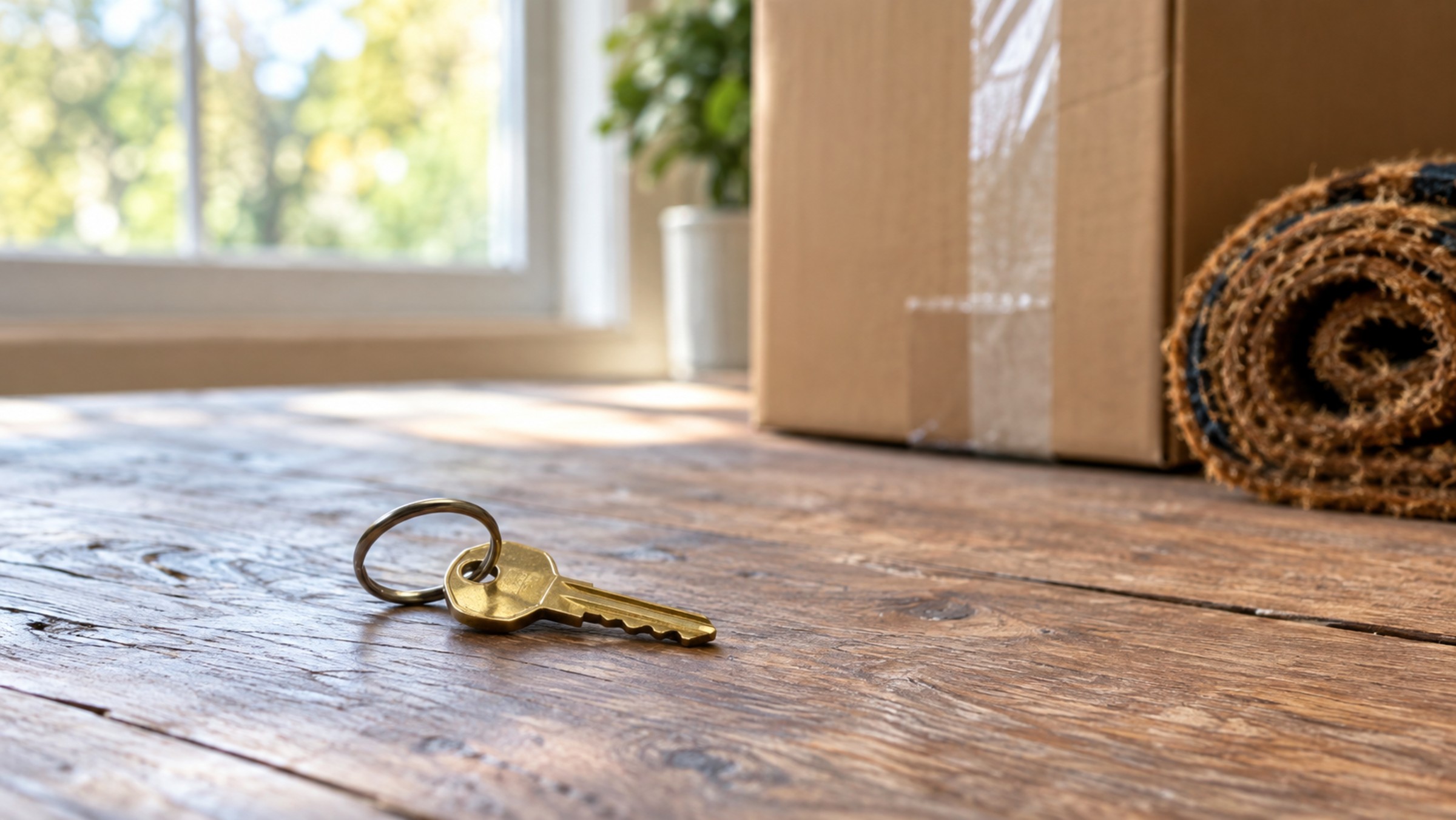
Shortly before closing, we'll walk through the home to make sure it's in the condition you agreed to and any negotiated repairs were done. Then it's finally closing day! You'll head to the title company, sign a stack of paperwork, the funds change hands, and the keys are officially yours. That's the part where I bring the camera and you hold the key. (You'll understand when we get there.)
How will you know where things stand?
With this many moving pieces, communication is everything. Every Wednesday, I do a weekly check-in with each of my buyers who's under contract, so we can make sure everyone is on track, on the same page and nothing is falling through the cracks. Of course, I'm reaching out a lot more than once a week when things are happening, but that standing Wednesday check-in does a great job of keeping miscommunication out of the picture.
How long does it take to close on a house in Ohio?
In my experience, the average is about 30 days from accepted offer to closing. It can vary a lot depending on your lender, your loan program and even the time of year. I've seen cash deals close in as little as seven days and financed deals close in as little as 17. On the other end, some take 45 days or more, but it usually takes some unusual circumstances to stretch things out that far.
Your closing date is negotiated up front and written into your purchase agreement. The best way to keep things on schedule is to stay responsive to your lender, your title company and me.
The bottom line
An accepted offer is a big win, but there's still work to do. The good news is you don't have to keep track of all of it yourself. Keeping every deadline on track is a big part of my job, so you can focus on packing. If you're getting ready to buy in the Miami Valley, I'm happy to walk you through what this looks like for your situation.
Frequently asked questions
What happens after an offer is accepted on a house? You'll deposit earnest money, complete inspections, negotiate any repairs, and work through the appraisal, title search and loan underwriting before a final walk-through and closing.
Can a seller back out after accepting an offer in Ohio? Once both sides sign a purchase contract, the seller is generally bound by it unless a contingency or term in the contract allows them out. Your specific contract controls, so talk to your agent or an attorney about your situation.
When do I get my Closing Disclosure? Your lender must provide it at least three business days before closing.
How long does it take to close on a house in Ohio? In my experience, about 30 days on average. Cash deals can close in as little as a week, and financed deals sometimes close in under three weeks, while some take 45 days or more depending on the lender, the loan program and the time of year.
What should I not do before closing on a house? Avoid new credit, big purchases on credit, job changes and large unexplained deposits until after you close.
Who handles closing in Ohio? In most Ohio transactions, a title company handles the title search, escrow and closing.
About Dylan Cassidy
Dylan Cassidy is a Realtor with Howard Hanna Real Estate Services based in Xenia, Ohio, and has been helping buyers and sellers since 2020. He grew up in Jamestown and serves the Miami Valley, including Xenia, Beavercreek, Fairborn, Jamestown, Kettering, Centerville, Bellbrook, Sugarcreek Township and Dayton.

Dylan Cassidy
Realtor | Dylan Cassidy | Howard Hanna Real Estate Services - Xenia
or another way