Categories
Buyer TipsPublished November 25, 2026
Radon Testing in Greene and Montgomery County: Why Both Counties Are in the EPA's Highest-Risk Zone

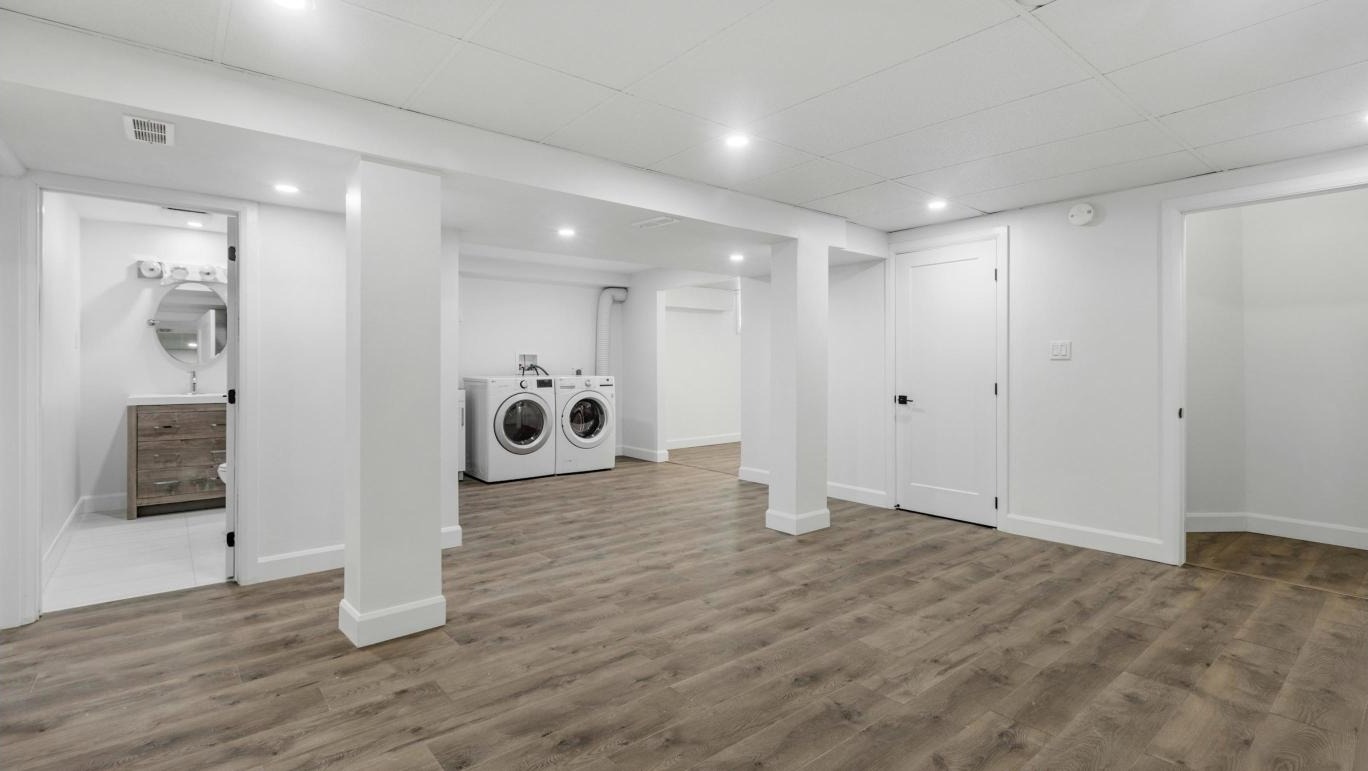
Radon is one of those things most buyers never think about until a home inspector mentions it. You can't see it or smell it, and the only way to know whether a home has a radon problem is to test it.
It's worth paying attention to around here. The U.S. Environmental Protection Agency lists both Greene and Montgomery counties in Zone 1, its highest radon-potential category. Here's what that means, how testing works during a home purchase and what happens if a test comes back high.
What is radon?
Radon is a naturally occurring radioactive gas that comes from uranium breaking down in soil and rock. It can seep into a house through cracks and openings in the foundation and build up indoors, especially in basements and lower levels.
According to the EPA, radon is the leading cause of lung cancer among people who have never smoked and the second leading cause overall, after smoking. The EPA estimates that radon causes about 21,000 lung cancer deaths a year in the U.S.
Is radon a problem in Greene and Montgomery County?
The EPA groups every county into one of three radon zones. Zone 1 counties have the highest potential, with predicted average indoor levels above 4 picocuries per liter (pCi/L). Greene and Montgomery counties are both Zone 1, along with Clark, Miami, Preble and Warren counties.
That doesn't mean every home here has high radon. Two houses on the same street can test very differently. It does mean testing is the only way to know.
What radon level is too high?
- 4 pCi/L or higher: the EPA's action level. The EPA and the U.S. Surgeon General recommend fixing the home.
- Between 2 and 4 pCi/L: the EPA says to consider fixing it.
- Below 2 pCi/L: hard to reduce further, according to the EPA.
Testing for radon when you buy a home in Ohio
- Add it to your inspection contingency. Buyers often order a radon test at the same time as the general home inspection.
- Use an Ohio-licensed radon tester. Radon testers, mitigation specialists and mitigation contractors are licensed by the Ohio Department of Health. Under Ohio law, results from unlicensed testing aren't valid for use in a contract.
- Testing and fixing are kept separate. Ohio's rules generally keep the company that tests a building from also doing the mitigation work that results from that test.
- Expect a short-term test. In a home purchase, the tester typically places a monitor in the lowest livable level of the home for a couple of days.
Greene County Public Health's radon page points to the Ohio Department of Health's radon information line at 1-614-728-0272 for questions.
What happens if the radon test comes back high?
A high result isn't usually a dealbreaker. Radon can be reduced with a mitigation system, typically a vent pipe and fan that pulls the gas from under the foundation and vents it outside. In Ohio, that work is done by a licensed radon mitigation contractor.
During your contingency period, you can ask the seller to install a system, ask for a credit or price reduction to handle it yourself, or decide the home isn't for you. Once a system is installed, the home should be retested to confirm the level came down.
If you already own your home
The EPA recommends testing every home, no matter what zone it's in. Do-it-yourself test kits are available for homeowners who want a baseline. If you're planning to sell, testing ahead of time lets you deal with a high reading on your own schedule instead of in the middle of a negotiation.
The bottom line
Both Greene and Montgomery counties are in the EPA's highest radon zone, so a radon test is worth adding to any home inspection here. Use a licensed tester, read the result against the EPA's 4 pCi/L action level and remember that a high result usually has a straightforward fix.
Quick answers
What radon zone is Greene County, Ohio? Zone 1, the EPA's highest radon-potential category. Montgomery County is also Zone 1.
What radon level requires mitigation? The EPA recommends fixing a home at 4 pCi/L or higher and considering it between 2 and 4 pCi/L.
Who can test for radon in Ohio? Radon testers must be licensed by the Ohio Department of Health, and results from unlicensed testing aren't valid for use in a contract.
Is a radon test required to buy a house in Ohio? It isn't automatically required, but buyers can include one in their inspection contingency, and many do.
Sources: U.S. Environmental Protection Agency, Health Risk of Radon and EPA Map of Radon Zones (Ohio); Ohio Revised Code Chapter 3723; Ohio Administrative Code Chapter 3701-69; Greene County Public Health; Dayton Daily News. Photo: Point3D Commercial Imaging Ltd. / Unsplash.

Dylan Cassidy
Realtor | Dylan Cassidy | Howard Hanna Real Estate Services - Xenia
or another way