Categories
Buyer TipsPublished November 11, 2026
VA Loans in Ohio: 6 Myths That Cost Veterans the House They Wanted

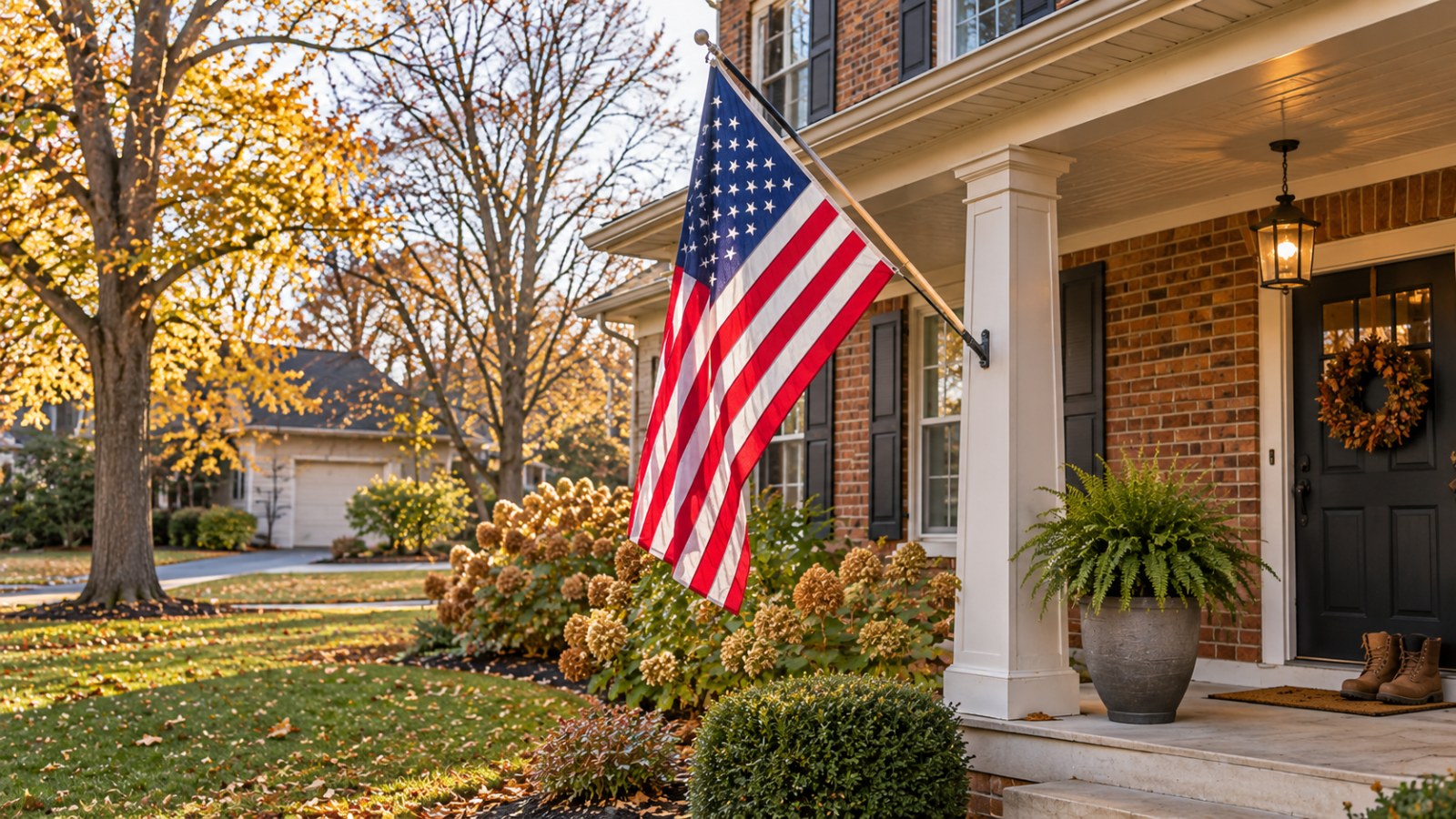
First things first: to every veteran and service member reading this, thank you. With Wright-Patterson Air Force Base right here in the Miami Valley, a lot of my neighbors, clients and friends have served, and Veterans Day means a lot around here.
One of the best ways to honor that service is to make sure veterans actually use the benefits they earned. The VA home loan is one of the best loan programs out there, but I still hear the same myths over and over, and some of them keep veterans from even trying. Here are six of the most common ones.
Myth 1: "You still need a down payment"
The truth: With a VA loan, you can buy with no down payment as long as the sale price isn't higher than the home's appraised value. There's also no private mortgage insurance, which is a big monthly savings compared with most low-down-payment loans.
Myth 2: "There's a cap on how much you can borrow"
The truth: If you have your full entitlement, meaning you haven't used your VA benefit or you've had it restored, VA says you don't have a loan limit. You still have to qualify with the lender, and the appraisal has to support the price, but there's no VA cap on the loan amount. If you've used part of your entitlement on a home you still own, your remaining amount is based on the county loan limit.
Myth 3: "You can only use it once"
The truth: The VA loan is a benefit you can use again. If you sell a home you bought with a VA loan and pay that loan off, you can usually have your entitlement restored and use it on your next home. You can also restore it one time if you've paid off the loan but kept the house.
Myth 4: "You need perfect credit"
The truth: VA doesn't set a minimum credit score. Lenders set their own standards for credit and income, and those vary from lender to lender. If one lender says no, it's worth talking to another, ideally one who does a lot of VA loans.
Myth 5: "The funding fee makes it a bad deal"
The truth: Most VA borrowers pay a one-time funding fee, and on a purchase it can be rolled into the loan instead of paid at closing. Here's the current schedule for purchase loans:
| Down payment | First use | After first use |
|---|---|---|
| Less than 5% | 2.15% | 3.3% |
| 5% or more | 1.5% | 1.5% |
| 10% or more | 1.25% | 1.25% |
The fee is a percentage of the loan amount. And a lot of veterans don't pay it at all. You're exempt if you receive VA compensation for a service-connected disability, if you're a surviving spouse receiving Dependency and Indemnity Compensation, or if you're an active-duty service member with a Purple Heart, among a few other cases.
Myth 6: "Sellers won't take a VA offer"
The truth: A well-prepared VA offer is a strong offer. Sellers can help with closing costs on a VA loan, and seller concessions can go up to 4% of the home's reasonable value. VA closing costs are generally lower too. The key is a pre-approval from a lender who knows VA loans, plus an agent who can explain the process to the seller's side so there are no surprises.
Who qualifies
You'll need a Certificate of Eligibility (COE), which your lender can usually pull for you online. In general, you may be eligible if you're:
- Active duty with at least 90 continuous days of service
- A veteran who met the minimum service requirement for your era (for service since Aug. 2, 1990, that's generally 24 continuous months or the full period you were called to active duty, with some exceptions)
- National Guard or Reserve with 90 days of non-training active duty, or six creditable years of service
- A surviving spouse who receives or qualifies for certain Dependency and Indemnity Compensation
You also have to live in the home. VA loans are for your primary residence, not an investment property.
A few Ohio extras for veterans
- Ohio Heroes: The Ohio Housing Finance Agency offers a discounted mortgage rate to veterans, active-duty and reserve members, and surviving spouses, and you can add down payment assistance. (I covered it in Monday's post.)
- Disabled veteran homestead exemption: Ohio has an enhanced homestead exemption for veterans who are 100% disabled from, or receive 100% compensation for, service-connected injuries. There's no income test. You apply with your county auditor using form DTE 105I.
The bottom line
If you've served, the VA loan is one of the most valuable benefits you have, and a lot of the reasons people give for not using it just aren't true. Before you rule it out, talk to a lender who does VA loans regularly and see what it can do for you.
If you're a veteran or service member thinking about buying in the Dayton area, whether you're PCSing into Wright-Patt or ready to put down roots, I'd be glad to help. And again, thank you for your service.
Quick answers
Do VA loans require a down payment? No, as long as the sale price isn't higher than the appraised value. VA loans also don't require private mortgage insurance.
Is there a VA loan limit in 2026? Not for borrowers with full entitlement. VA says you don't have a loan limit, though you still have to qualify with a lender. If you've used part of your entitlement, your remaining amount is based on the county loan limit.
What is the VA funding fee? A one-time fee based on the loan amount. For a first-time purchase with less than 5% down, it's 2.15%. It drops to 1.5% with 5% down and 1.25% with 10% down. Veterans receiving VA disability compensation are exempt.
What credit score do I need for a VA loan? VA doesn't set a minimum credit score. Each lender sets its own requirements.
Can I use a VA loan more than once? Yes. You can restore your entitlement after selling and paying off a VA-backed home, or one time if you've paid off the loan and kept the home.

Dylan Cassidy
Realtor | Dylan Cassidy | Howard Hanna Real Estate Services - Xenia
or another way